
Xtina new comic strip
Xtina solo su www.outisfumetti.com

Xtina solo su www.outisfumetti.com
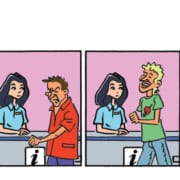


Xtina Sunday Comic Strip

Xtina as Philip Marlowe
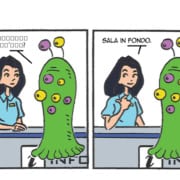
Xtina comic-strip from new album
Xtina New Comic-strip are centered on the life of Xtina in her work as assistant in a Museum. Xtina’s chronicles the daily challenges of a worker. At work, we follow Xtina as she copes with friends, relationships, and the day-to-day trials of a working woman living life in the 21st century.

Xtina Tous les jours sont les mêmes


Pubblicità Vintage 1967: Batman
da: Giallo Mondadori

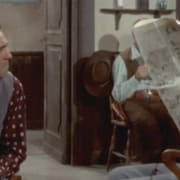
Nel 1880 i comics nei quotidiani non esistevano ancora. Le prime pagine illustrate a colori comparvero infatti solo nel 1893, rese possibili dai progressi della stampa. L’anno successivo il New York World di Joseph Pulitzer inaugurò il primo vero supplemento domenicale umoristico illustrato, mentre nel 1895 debuttò The Yellow Kid di Richard F. Outcault, considerato il primo grande personaggio dei comics americani. Solo nei primi anni del Novecento i supplementi domenicali a fumetti divennero una presenza abituale nei principali quotidiani degli Stati Uniti. Per questo motivo, mostrare un protagonista del 1880 intento a sfogliare una pagina di comics significa anticipare la storia di almeno quindici anni.
Film
I gemelli del Texas è una commedia-western del 1964 diretta da Steno, costruita intorno agli equivoci provocati da due coppie di gemelli identici interpretati da Walter Chiari e Raimondo Vianello.
Nel Texas della seconda metà dell’Ottocento, una carovana di coloni viene assalita da banditi e indiani. Nel caos dell’attacco, due coppie di gemelli ancora in fasce vengono separate accidentalmente. Due dei bambini vengono raccolti e cresciuti da un integerrimo ufficiale, che li educa secondo principi di onestà e giustizia. Gli altri due finiscono invece nelle mani del bandito Malanza, che li alleva come fuorilegge.
Passano gli anni. I due fratelli cresciuti dall’ufficiale diventano Jonathan ed Ezechiele, due giornalisti coraggiosi che denunciano i soprusi e la corruzione nelle città di frontiera. I loro articoli mettono in difficoltà il potente e disonesto Arnold, un notabile locale coinvolto in numerosi traffici illeciti.
Nel frattempo, i due gemelli allevati dal bandito sono diventati Kid e Joe, pistoleri ricercati e sicari di professione. Arnold, deciso a mettere a tacere i giornalisti, incarica proprio Kid e Joe di assassinarli, ignaro del fatto che i quattro uomini sono in realtà due coppie di gemelli perfettamente identici.
Quando i killer arrivano in città, iniziano una lunga serie di scambi di persona. Jonathan ed Ezechiele vengono continuamente scambiati per Kid e Joe, mentre i due banditi finiscono spesso per essere creduti i rispettabili giornalisti. Gli equivoci coinvolgono sceriffi, cittadini, criminali e le donne che ruotano attorno ai protagonisti, provocando arresti sbagliati, fughe rocambolesche, inseguimenti e situazioni comiche.
Man mano che la vicenda procede, i quattro scoprono la verità sulle proprie origini e comprendono di essere stati separati fin dalla nascita. La rivelazione cambia il loro atteggiamento reciproco: il legame di sangue prevale sull’ostilità iniziale e i fratelli decidono di unire le forze contro Arnold e i suoi complici.
Nel confronto finale, il piano del criminale fallisce proprio a causa della continua confusione generata dai quattro sosia. Arnold viene smascherato e sconfitto, mentre Kid e Joe abbandonano la vita da fuorilegge, riconciliandosi con i fratelli. Il film si conclude con il ricongiungimento delle due famiglie e con il trionfo dei buoni, in un finale leggero e ottimista tipico della commedia all’italiana degli anni Sessanta.